
-
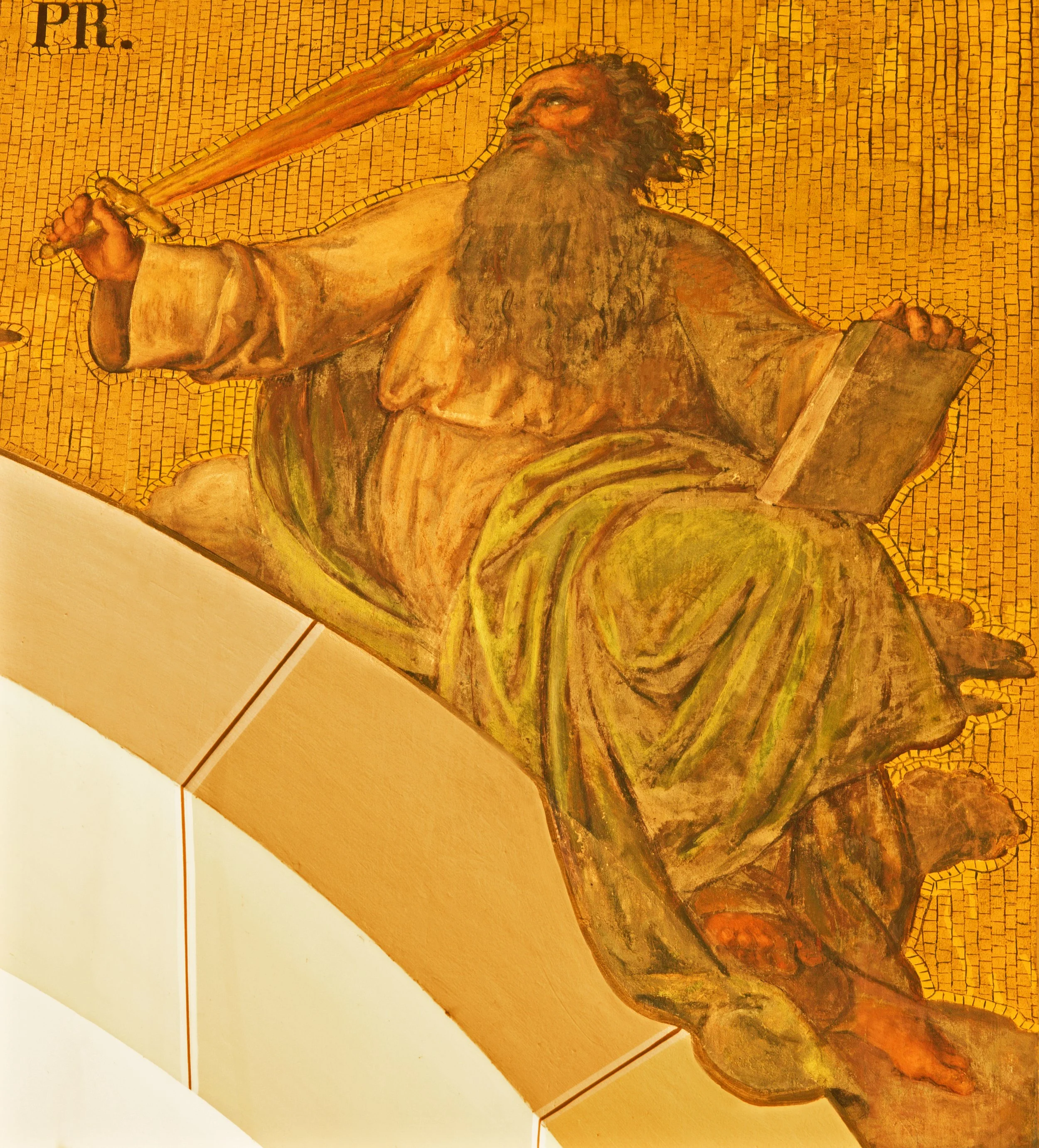
Mendelssohn's ELIJAH (WITH ZEPHYR SYMPHONY)
Felix Mendelssohn’s Elijah (1846) is a masterful oratorio that bridges the grandeur of the Baroque with the emotional depth of the Romantic era. Drawing direct inspiration from the sacred oratorios of Handel and Bach, Mendelssohn crafted a deeply dramatic and profoundly spiritual work, using the life of the Old Testament prophet Elijah as both a musical and moral canvas. With its sweeping choruses, richly textured orchestration, and vivid character portrayals, Elijah continues to captivate audiences nearly two centuries after its premiere.
This performance brings together the Zephyr Symphony and Zephyr Chorus under the direction of Don Scott Carpenter, with a distinguished quartet of soloists: Andrew Thomas Pardini (Elijah), Mary-Hollis Hundley (soprano), Leandra Ramm (contralto), and Elliott James-Ginn Encarnácion (tenor).
As Elijah, Andrew Thomas Pardini delivers a commanding and emotionally nuanced portrayal of the prophet—a figure of uncompromising faith, prophetic fire, and, at times, profound despair. His dramatic arias and recitatives convey the full humanity of a man caught between divine mission and personal doubt.
Mary-Hollis Hundley’s soprano offers a shining voice of hope and assurance, particularly in moments of comfort and divine promise. Leandra Ramm brings warmth and spiritual gravity to her role, most notably in the beloved aria “O rest in the Lord,” while Elliott James-Ginn Encarnácion lends lyrical power and clarity to the tenor’s narrative and exhortatory roles.
The Zephyr Chorus rises to Mendelssohn’s majestic and demanding choral writing, from the thundering cries to Baal to the tender reassurance of God’s presence. Paired with the Zephyr Symphony’s sensitive and dynamic playing, the result is a sound world rich with both grandeur and intimacy.
In Elijah, Mendelssohn offers more than a historical or religious drama; he gives us a timeless meditation on perseverance, faith, and the human condition. Through fire, drought, doubt, and redemption, Elijah’s journey invites us all to listen—beyond the wind and the earthquake—for the still, small voice of hope.
-

IN PRAISE & PROTEST
This bold and moving choral program explores sacred beauty, social conscience, and the enduring power of the human voice across five centuries. From luminous evening hymns to searing protest works, the evening offers a journey through music that elevates, interrogates, and ultimately calls us to act.
The program opens with Hail, Gladdening Light by Irish-English composer Charles Wood. Rooted in the Anglican choral tradition, this late-19th-century setting of the ancient Greek hymn Phos Hilaron glows with serene reverence. Scored for double choir, the piece rises from hushed invocation to radiant exultation, capturing both the mystical stillness of dusk and the joy of spiritual illumination. Wood’s harmonic language evokes the cathedral’s echoing vaults and establishes a mood of contemplative grandeur.
This atmosphere prepares the listener for Magnificat à 8 by Giovanni da Palestrina, a masterwork of Renaissance polyphony. Scored for two four-part choirs, Palestrina’s setting of Mary’s song of praise unfolds in noble arcs of imitative counterpoint and graceful interplay. The music’s clarity and balance reflect the composer’s gift for marrying form and devotion—crafting sacred architecture in sound. Its inclusion anchors the program in the sacred traditions of Western music, offering a moment of sublime equilibrium.
Ralph Vaughan Williams’ Mass in G Minor bridges past and present, drawing inspiration from the Renaissance masters while channeling a deeply personal spiritual vision shaped by the trauma of World War I. Composed in 1921, the Mass employs modal harmonies, plainsong-like melodies, and intricate choral textures to create a mystical and introspective work. Scored for double choir and solo quartet, it is at once a homage to the ancient church and a cry for transcendence in the modern world—a spiritual reckoning as much as a sacred offering.
The second half turns toward contemporary works that confront the brokenness of our world with prophetic force. Saunder Choi’s The New Colossus transforms Emma Lazarus’s iconic sonnet—engraved at the base of the Statue of Liberty—into a choral act of protest and lament. As an immigrant himself, Choi sets the text with rich, layered textures and emotional urgency, challenging the myth of welcome in an era of exclusion. The piece becomes a meditation on national identity and moral responsibility, reframing a historic symbol as a site of struggle.
Luna Pearl Woolf’s Après Moi, le Déluge delivers the program’s stark and unforgettable conclusion. From the composer: Après Moi, le Déluge is a concerto for cello and a cappella choir written in the weeks and months after Hurricane Katrina struck New Orleans and the United States’ Gulf Coast in late August 2005. The piece was originally conceived with an entirely different text, but in our grief, rage and shame at the betrayal of the hurricane’s aftermath, the poet Eleanor Wilner and I decided to scrap those plans and begin anew.